How to Grow Long Natural Nails That Stay Strong
Growing long, strong natural nails isn’t about luck or genetics. It’s about understanding what your nails actually need and protecting them consistently. Many people struggle with weak, brittle nails that snap before reaching length, and most of the time, daily habits are the real cause. Frequent water exposure, dehydration, poor nutrition, and improper nail care weaken the nail plate over time. The good news is that these issues are completely fixable. When you focus on hydration, protection, and nutrition, your nails naturally become stronger and longer.
Your nails are constantly growing whether you notice it or not. On average, fingernails grow around three to three and a half millimeters per month. Over time, this adds up to significant length. The challenge is not growth itself but maintaining nail strength so that growth doesn’t break off. Many people lose their nail length due to splitting or peeling within the first few months. Long natural nails are the result of consistent care habits that protect nail structure throughout the growth cycle. When you create the right environment, growing long nails becomes much easier.
Why Natural Nails Break and How to Prevent It
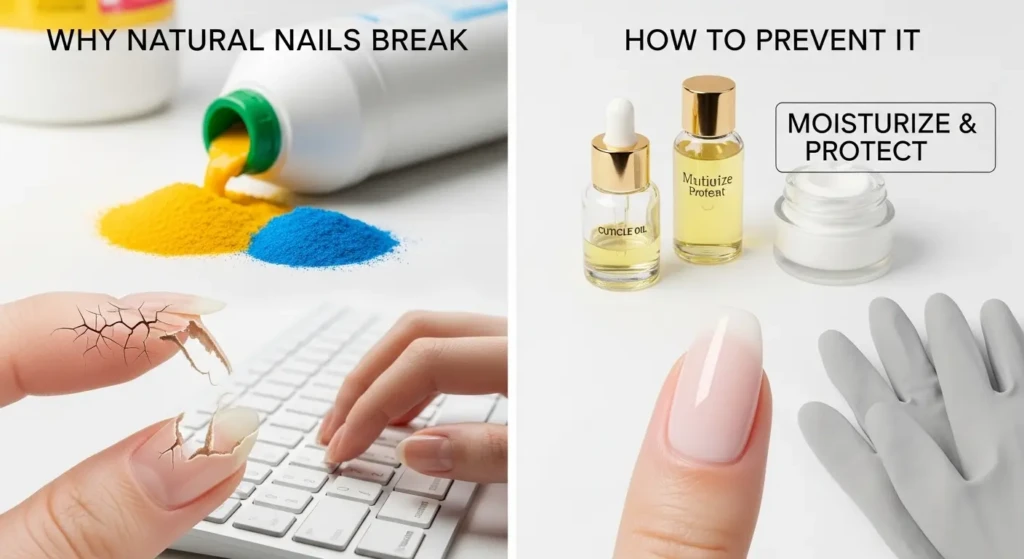
Nails rarely break suddenly. The damage usually develops gradually before the break occurs. Most breakage happens at the free edge, which is the part of the nail extending beyond the fingertip. This area is structurally weaker because it lacks support underneath. The longer the free edge becomes, the more leverage pressure creates, increasing the risk of snapping.
Moisture levels also play a major role in breakage. Dehydrated nails become brittle, while hydrated nails remain flexible. Flexible nails bend slightly under pressure instead of cracking. Repeated exposure to water without proper moisturizing causes the nail layers to separate. This leads to peeling at the tips, which weakens the nail further. Vertical splitting can also occur when nails remain dry for long periods.
Preventing breakage requires keeping nails hydrated, trimming damaged edges early, and avoiding activities that stress the free edge. Wearing gloves during cleaning and applying nail oil regularly helps maintain nail flexibility. When nails stay hydrated, they resist everyday stress better and grow longer without breaking.
Building a Nail-Strengthening Routine That Actually Works
A strong nail routine doesn’t need to be complicated. The most effective routine focuses on consistency. Daily moisturizing is the first step. After washing your hands, apply nail oil or a thick moisturizer to the nails and cuticles. Massaging the oil improves blood circulation and helps strengthen the nail matrix. Doing this daily keeps nails flexible and prevents brittleness.
Protection during high-risk activities is the second step. Tasks such as washing dishes, cleaning, and laundry expose nails to water and chemicals. Wearing gloves creates a barrier that prevents damage. This simple habit significantly improves nail strength over time.
Strategic trimming is the third step. Once per week, check nails for peeling or splitting. Trim away any damaged area immediately. This prevents cracks from spreading and helps maintain strong growth. A simple five-minute routine each day is enough to build stronger nails gradually.
Moisture and Hydration for Nail Health

Hydration is one of the most important factors in growing long natural nails. Healthy nails contain a balanced amount of moisture that keeps them flexible. When nails lose moisture, they become rigid and prone to breakage. Water enters the nail during activities like washing hands or showering. When the water evaporates, the nail loses moisture and becomes dry.
Applying oils or moisturizers helps seal hydration inside the nail. Oils such as jojoba, almond, coconut, and vitamin E create a protective layer that slows moisture loss. Regular moisturizing keeps nails smooth and reduces peeling.
Internal hydration also supports nail health. Drinking enough water helps maintain healthy nail growth from the matrix. While nails don’t directly absorb internal water, overall hydration supports the cells responsible for nail production. Consistent hydration from both inside and outside improves nail strength.
Protecting Your Nails From Daily Damage

Daily activities often cause unnoticed nail damage. Water exposure is one of the biggest causes. Washing dishes, cleaning, and long showers soften nails and make them weak. Wearing gloves protects nails from excessive moisture. This simple step prevents peeling and splitting.
Mechanical stress also weakens nails. Using nails to open packages, scratch surfaces, or remove stickers creates pressure at the free edge. These small stresses accumulate and eventually cause breakage. Training yourself to use tools instead of nails helps maintain strength.
Chemicals such as acetone removers, harsh soaps, and sanitizers also dry nails. Using gentle removers and moisturizing afterward helps reduce damage. Protecting nails from daily stress is essential for growing long, strong natural nails.
The Right Nutrition for Keratin Growth
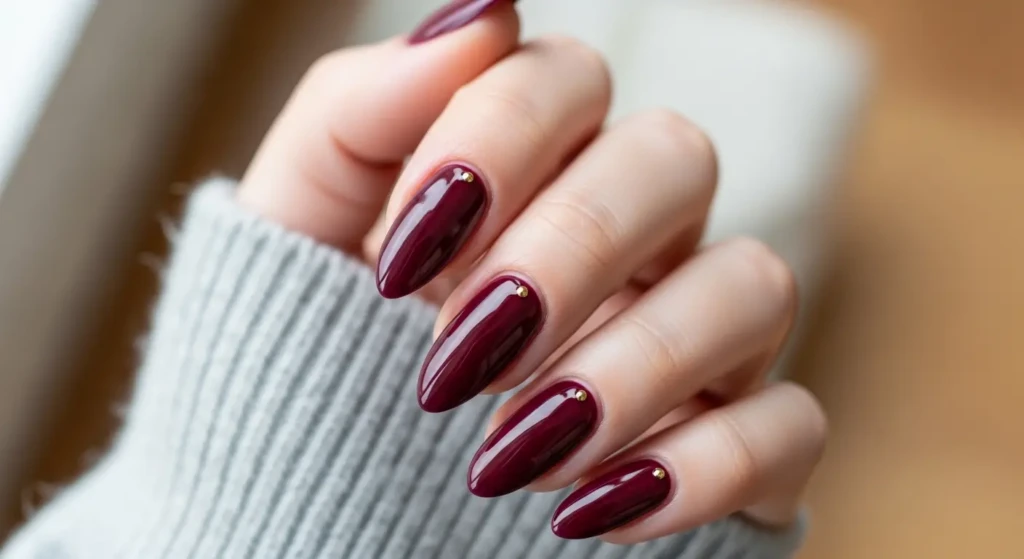
Nutrition plays a crucial role in nail growth. Nails are made of keratin, which requires protein and essential nutrients. Without proper nutrition, nails become thin and weak. Protein provides the building blocks for keratin. Foods such as eggs, fish, yogurt, and legumes support nail growth.
Biotin is another important nutrient. It helps improve nail thickness and reduces splitting. Iron supports oxygen delivery to the nail matrix. Zinc helps repair damaged tissue and promotes growth. Vitamins A, C, and E also support healthy nails.
Eating a balanced diet with vegetables, fruits, whole grains, and protein sources improves nail strength over time. Nutritional improvements typically become visible after several weeks as new nail growth appears stronger.
How to File and Shape Nails to Prevent Breakage
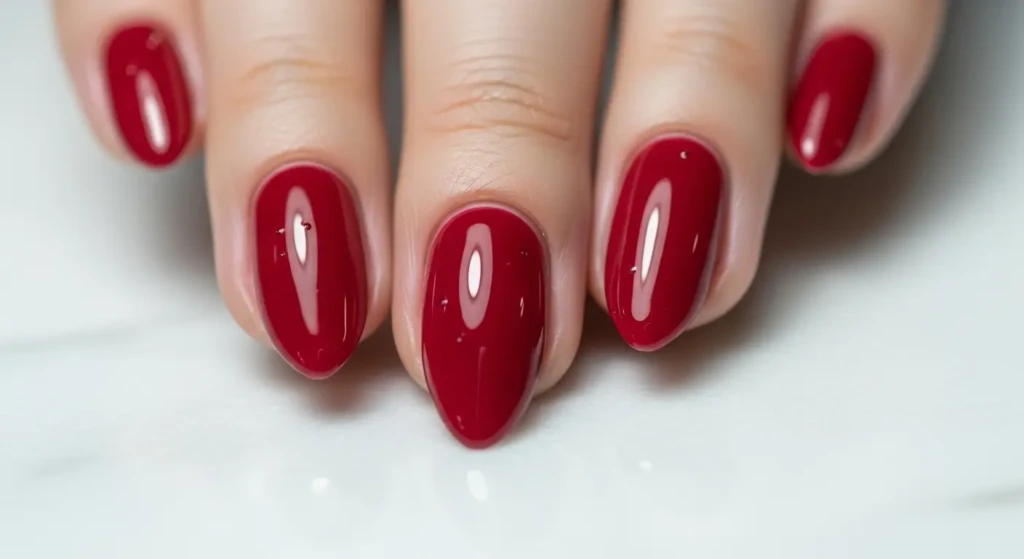
Proper filing technique helps prevent nail damage. Filing back and forth creates micro-tears that weaken nails. Filing in one direction helps seal the nail layers and prevents splitting. Using a fine-grit or glass nail file is gentler on natural nails.
Nail shape also affects strength. Rounded shapes such as oval and squoval distribute pressure evenly. Sharp shapes concentrate stress and increase breakage risk. Keeping a moderate free edge length also reduces leverage pressure.
Filing nails when dry helps maintain a smooth edge. Wet nails are softer and more prone to damage. Proper shaping supports long natural nail growth.
Choosing the Best Nail Care Tools

Using the right tools improves nail health. A glass nail file creates a smooth edge and prevents splitting. Sharp nail clippers create clean cuts, while dull tools crush the nail and cause damage. A gentle cuticle pusher helps maintain cuticle health without cutting.
Cuticle oil and moisturizer are essential tools for hydration. Gloves are also important for protection during cleaning. High-quality tools reduce damage and support consistent nail growth.
Understanding Nail Growth Cycles and What They Mean
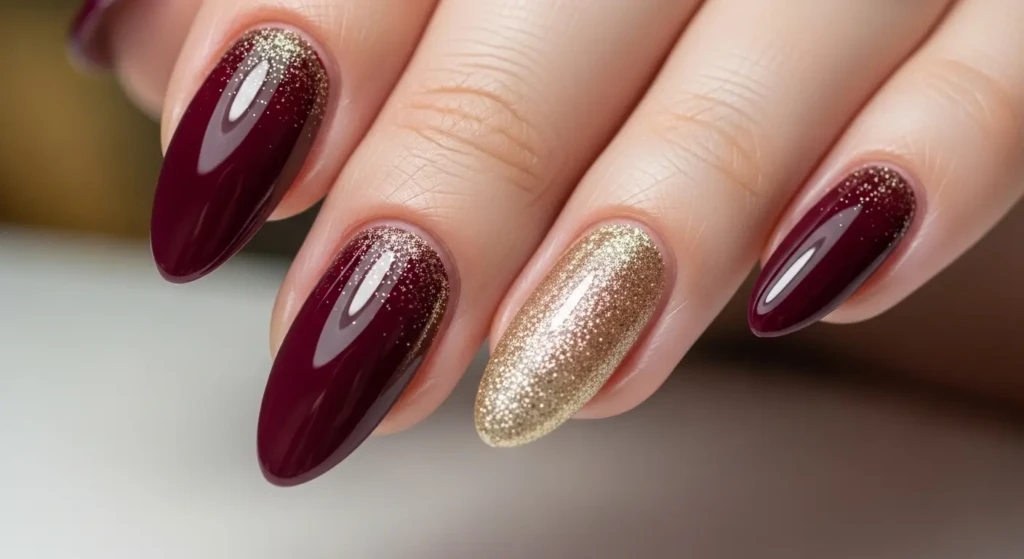
Nails grow at different speeds depending on health, age, and environment. Fingernails usually grow faster in warmer months. Growth may slow during colder seasons. Stress, illness, and nutrition also affect nail growth rate.
A full nail takes several months to grow completely. Improvements in care routines appear gradually as new nail growth replaces older damaged areas. Tracking nail growth helps identify changes and monitor progress.
Understanding growth cycles helps set realistic expectations. Strong nails develop over time, not overnight.
Common Mistakes That Stunt Nail Growth
Many habits prevent nails from growing long. Skipping moisturizer causes dehydration. Using nails as tools creates stress. Excessive buffing weakens the nail surface. Frequent acetone use dries nails.
Ignoring peeling or splitting allows damage to spread. Not wearing gloves during cleaning exposes nails to water damage. Avoiding these mistakes improves nail strength.
Consistency in basic care is more effective than using multiple products.
When to Trim vs When to Let Nails Grow
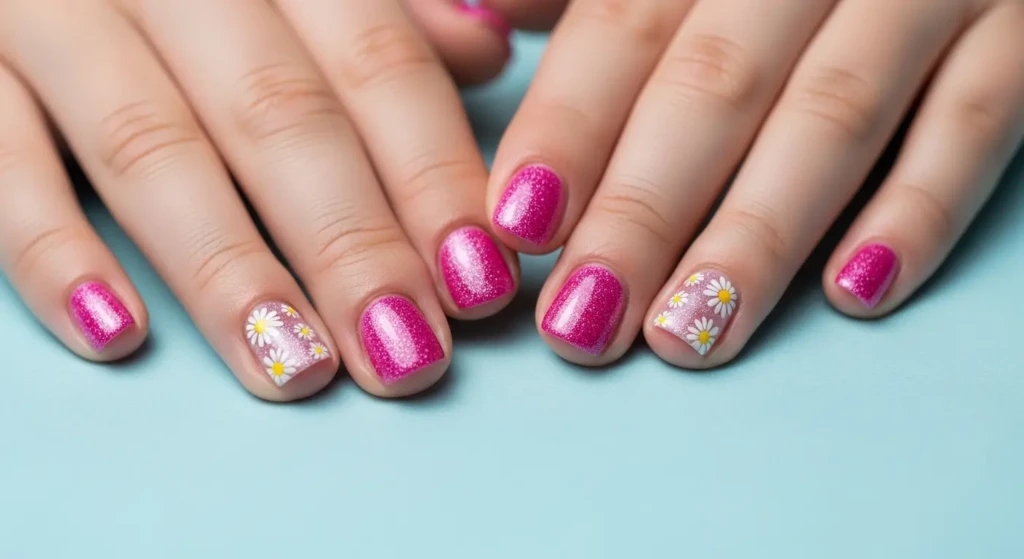
Trimming nails strategically helps prevent breakage. When peeling or splitting appears, trimming the damaged edge prevents further damage. Allowing healthy nails to grow supports length.
Frequent trimming is helpful during early growth stages. Once nails become stronger, trimming can be reduced. Maintaining balanced length prevents stress on the free edge.
Understanding when to trim helps maintain strong nails while growing length.
Managing Cuticles for Healthier Growth
Cuticles protect the nail matrix. Cutting them can weaken nail growth and increase infection risk. Instead, gently push them back after softening. Keeping cuticles moisturized prevents cracking.
Healthy cuticles support smooth nail growth. Applying cuticle oil daily keeps them flexible and nourished. Proper cuticle care improves overall nail strength.
Supplements and Biotin: Do They Actually Work
Biotin is commonly used for nail growth. It helps improve nail thickness and reduce splitting. Results take time because nails grow slowly. Consistent supplementation for several weeks may improve nail strength.
Other nutrients such as iron, zinc, and vitamins also support nail health. Supplements work best when combined with proper nail care. Hydration and protection remain the most important factors.
Final Thoughts
Growing long natural nails that stay strong requires consistency. Hydration, protection, proper filing, and good nutrition all work together. Avoiding damaging habits helps maintain nail strength. Simple daily care routines produce noticeable improvements over time.
With consistent moisturizing, protective habits, and proper nutrition, nails grow longer and stronger naturally. Over a few months, healthy nail growth becomes visible. Long natural nails are achievable when you focus on maintaining nail health every day.